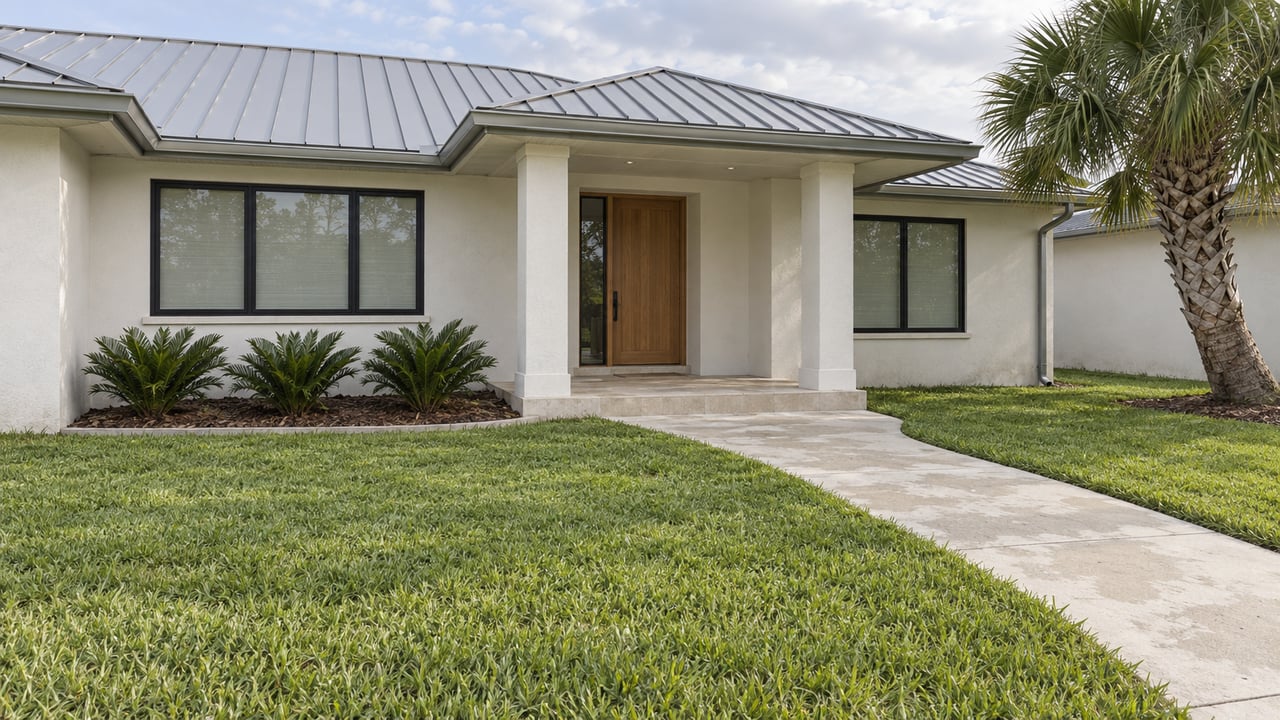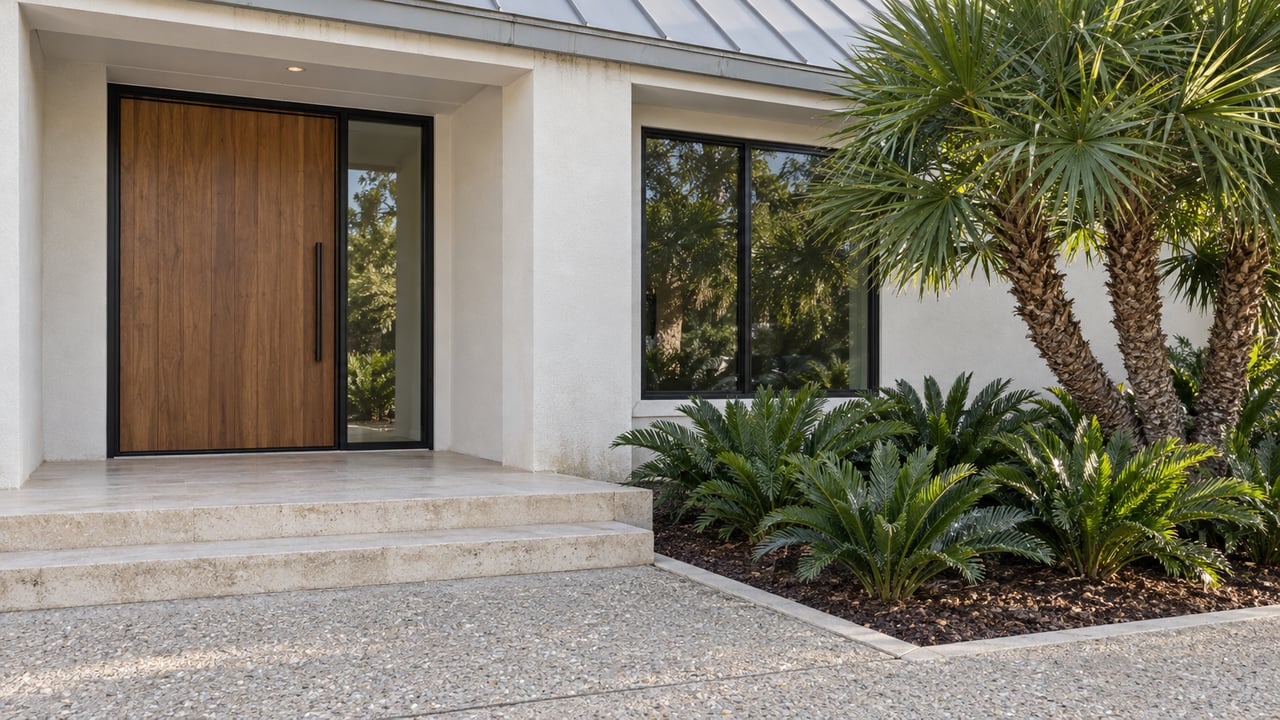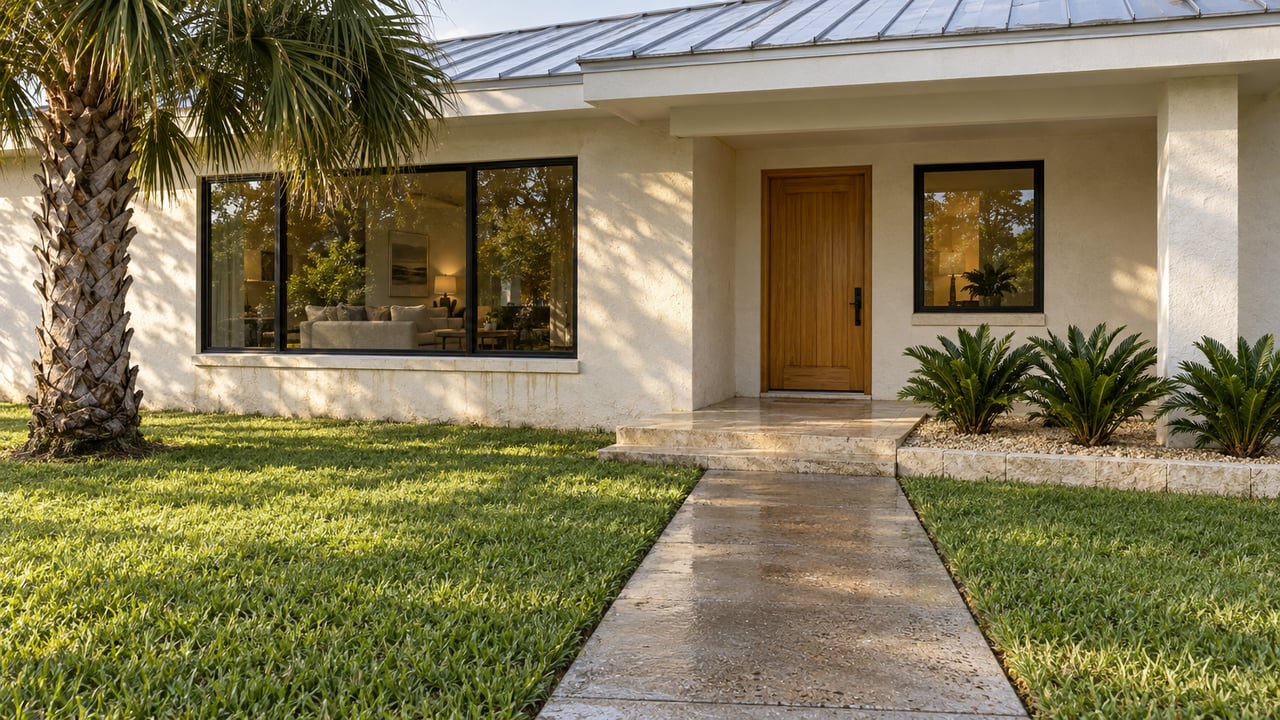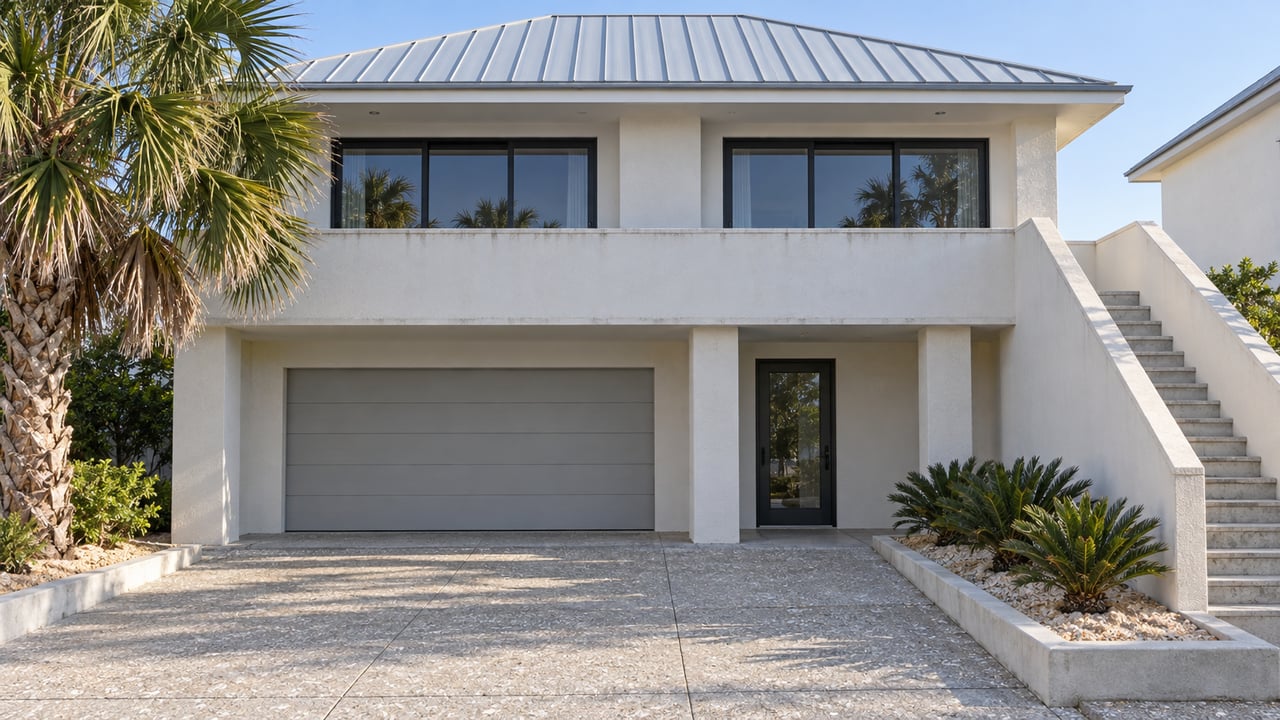
Are you torn between the ease of a condo and the freedom of a house on Longboat Key? You are not alone. Many buyers, especially second-home shoppers and coastal lifestyle buyers, find themselves weighing convenience, privacy, costs, and long-term plans before making a move. The good news is that once you understand how Longboat Key’s market works, the right choice becomes much clearer. Let’s dive in.
Longboat Key market basics
Longboat Key is a ten-mile barrier island with a housing mix that already leans heavily toward condos and other multifamily properties. Town planning data show that about 65.8% of the housing stock is multifamily, while about 31.4% is single-family. The Town also reports that 57.1% of housing units are seasonally occupied, which helps explain why condos are such a common fit for second-home buyers.
The island is also largely built out. In practical terms, that means you should not expect large waves of new development on vacant land. Much of what changes on Longboat Key tends to happen through teardown-and-replacement rather than big new subdivisions, which can keep inventory limited and make location and property type even more important.
Pricing reflects that premium coastal setting. Current market snapshots show Longboat Key as an expensive market, with listing and sale metrics hovering around the $1 million mark depending on the source and methodology. That makes your monthly carrying costs, association fees, taxes, and maintenance responsibilities just as important as the purchase price.
Why condos are popular on Longboat Key
For many buyers, a condo lines up well with how they actually plan to use a property on Longboat Key. If you want a seasonal home, a lock-and-leave setup, or less day-to-day exterior upkeep, a condo can be the simpler option. That is a big reason condos remain such a major part of the island’s housing mix.
Florida law allows condominium common expenses to cover a wide range of shared costs. That can include the operation, maintenance, repair, replacement, or protection of common elements and association property. In some communities, it may also include services tied to the association, which can make ownership feel more streamlined than managing a standalone home.
That convenience comes with structure. Instead of handling every major exterior issue on your own, you contribute through association dues and follow the association’s budget and rules. For buyers who want predictability and less hands-on property management, that tradeoff can be appealing.
Condo advantages to consider
A condo may be the better fit if you value:
- Lower-maintenance ownership
- Easier seasonal or part-time use
- Shared responsibility for many exterior and common-area items
- A more hands-off ownership model
- Potentially easier upkeep when buying from out of state
What condo buyers need to watch closely
The biggest mistake condo buyers make is focusing only on the list price. On Longboat Key, the documents and financial health of the association can matter just as much, if not more. That is especially true because much of the housing stock on the island dates from 1970 to 1999.
Florida law now requires certain condominium associations for residential buildings three habitable stories or higher to complete structural integrity reserve studies. These studies address major components like the roof, structure, plumbing, electrical systems, waterproofing, exterior painting, and windows and exterior doors. For applicable associations, budgets adopted on or after December 31, 2024 generally cannot underfund required reserves for those items.
That matters because reserve funding and repair planning can directly affect your monthly costs. If a building has deferred maintenance or upcoming projects, you may face higher dues or special assessments. On an older coastal island with salt air, weather exposure, and aging building systems, this is not a small detail.
Condo documents to review before you buy
Before choosing a condo, ask to review:
- The current operating budget
- The reserve schedule
- The most recent structural integrity reserve study, if applicable
- Any pending or recently discussed special assessments
- The condo declaration and rules
- Any rental restrictions beyond Town rules
Why a house may be the better fit
If your priorities are privacy, outdoor space, and control, a house may make more sense. Single-family homes on Longboat Key often appeal to buyers who want yard space, a garage, a dock, or a more private day-to-day feel. You may also prefer a house if you want more flexibility with how you update or use the property.
That said, a house does not always mean zero shared rules. Some single-family properties are still subject to homeowners association requirements. Florida’s HOA law makes clear that governing documents control how shared expenses are handled and how assessments are levied, so it is smart to verify whether a home comes with dues, restrictions, or architectural approval requirements.
For many buyers, the real tradeoff is simple. A house often gives you more personal control, but it also puts more responsibility directly on you. You may be the one coordinating repairs, maintaining outdoor areas, and carrying more of the property’s ongoing upkeep.
House advantages to consider
A house may be the better fit if you value:
- More privacy
- More outdoor space
- Greater control over the property
- Features like docks, garages, or larger lots
- Fewer shared walls and a more independent feel
The cost question matters more than many buyers expect
On Longboat Key, choosing between a condo and a house is often a budget question beyond the mortgage. Two properties with similar prices can have very different monthly ownership costs. That is why a full side-by-side review is so important.
Property taxes are one example. Longboat Key spans both Manatee County and Sarasota County, and the Town publishes different county mill rates depending on which side of the island a property sits on. There are also separate Longboat Key Gulfside and Bayside district rates, so your tax bill can vary based on location even within the same town.
If you are buying a second home, do not assume you will receive Florida homestead benefits. The Florida Department of Revenue states that homestead applies to a property that is your permanent residence, with permanent Florida residency required on January 1. For many second-home buyers, that means the tax picture may look different now than it would if the property later becomes a full-time residence.
Utilities should also be part of the math. The Town’s published FY2026 rates list a water base charge of $21.72 per unit, a sewer base charge of $24.60 per unit, and a garbage and recycling charge of $22.87. The Town also notes that condominium buildings contract directly with Waste Management for garbage, recycling, and yard waste services, which is another reminder that condos and houses can handle services differently.
Rental flexibility can influence your choice
If you want the option to rent out the property, this should be part of your decision from day one. Longboat Key’s rules are not something to check after closing. They should be reviewed before you choose a condo or a house.
The Town states that unless a property is grandfathered as a tourism use or located in a tourism-zoned district, the minimum rental period for residentially zoned property is at least 30 consecutive calendar days or one full calendar month. If a rental is for less than six months, the property or unit must also register with the Town for a Residential Rental Certificate of Registration, and the Town requires a Business Tax Receipt.
The Town also warns that rentals under 30 days can lead to citations and fines. For condo buyers, there is another layer to verify. Association rules may be more restrictive than the Town minimum, so you should confirm both the local rules and the condo documents before assuming a property fits your rental goals.
How to decide between a condo and house
The best choice usually comes down to how you want to live, not just what looks better on paper. If you picture yourself visiting seasonally, locking up and leaving with less worry, and keeping maintenance simpler, a condo may be the right fit. If you want more privacy, personal outdoor space, and control over the property, a house may be worth the extra responsibility.
A good decision starts with a few honest questions:
- How often will you use the property?
- Do you want low-maintenance ownership or more control?
- Are you comfortable with condo dues and reserve funding?
- Do you want outdoor features like a yard, dock, or larger garage?
- Will you want rental flexibility?
- Have you compared taxes, utilities, and other carrying costs?
On Longboat Key, this choice is rarely just condo versus house in the abstract. It is really about convenience versus control, shared costs versus direct responsibility, and seasonal ease versus private space. The right answer depends on your goals, your budget, and how you want the property to work for you over time.
If you want a clear, local perspective before you decide, Kelli Eggen can help you compare options, review the practical tradeoffs, and find the Longboat Key property that fits your lifestyle and plans.
FAQs
What makes condos common on Longboat Key?
- Longboat Key’s housing stock is heavily multifamily, with Town data showing about 65.8% of units are multifamily and many properties are seasonally occupied.
What should buyers review before purchasing a Longboat Key condo?
- Buyers should review the association budget, reserve schedule, structural integrity reserve study if applicable, special assessment history or discussions, and the condo rules and declaration.
What should buyers verify before purchasing a Longboat Key house?
- Buyers should confirm whether the property is part of an HOA and review any governing documents for assessments, exterior rules, and architectural approval requirements.
How do Longboat Key property taxes vary by location?
- Taxes can differ because Longboat Key spans Manatee and Sarasota counties, and local district rates may also apply depending on where the property is located.
Can you rent out a Longboat Key condo or house short term?
- In most residentially zoned areas, the Town requires a minimum rental period of at least 30 consecutive days or one full calendar month unless a property has a qualifying exception, and condo associations may impose stricter rules.
Is a Florida homestead exemption automatic for a Longboat Key second home?
- No. Florida homestead benefits apply to a permanent residence and require permanent Florida residency as of January 1.
Are houses on Longboat Key always free from association rules?
- No. Some single-family homes are still part of homeowners associations, which may require dues and impose rules based on the governing documents.