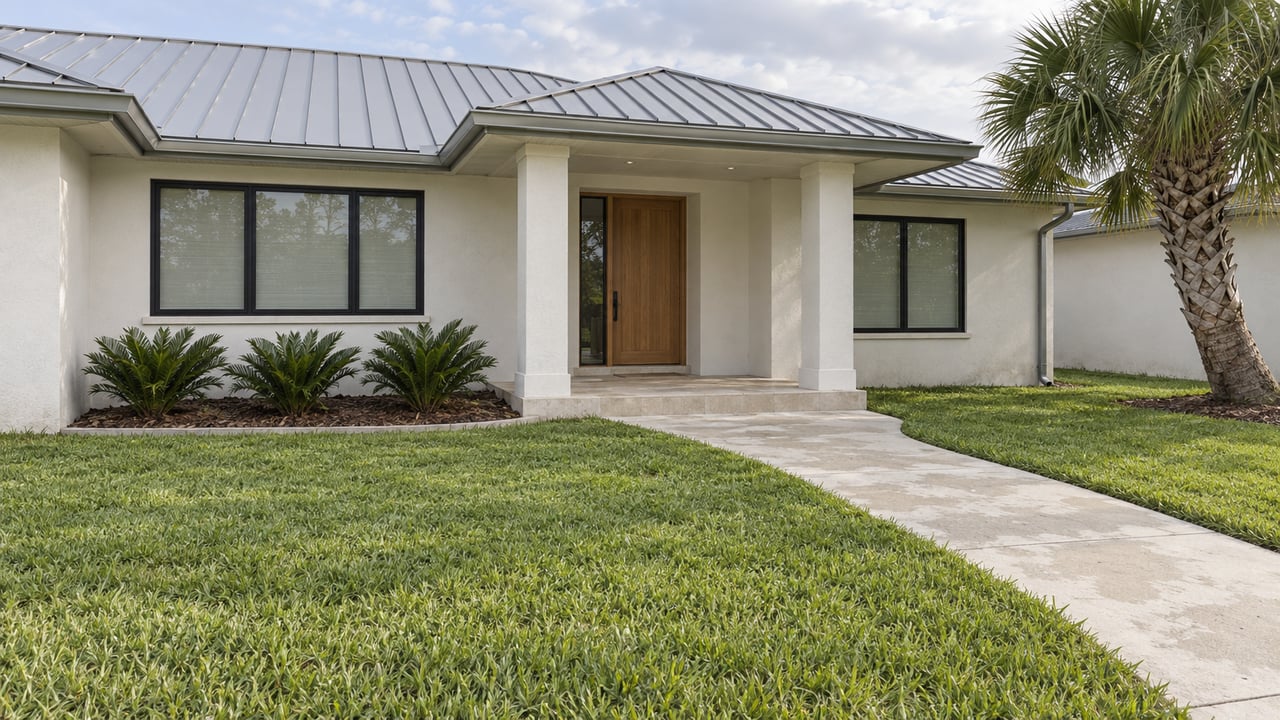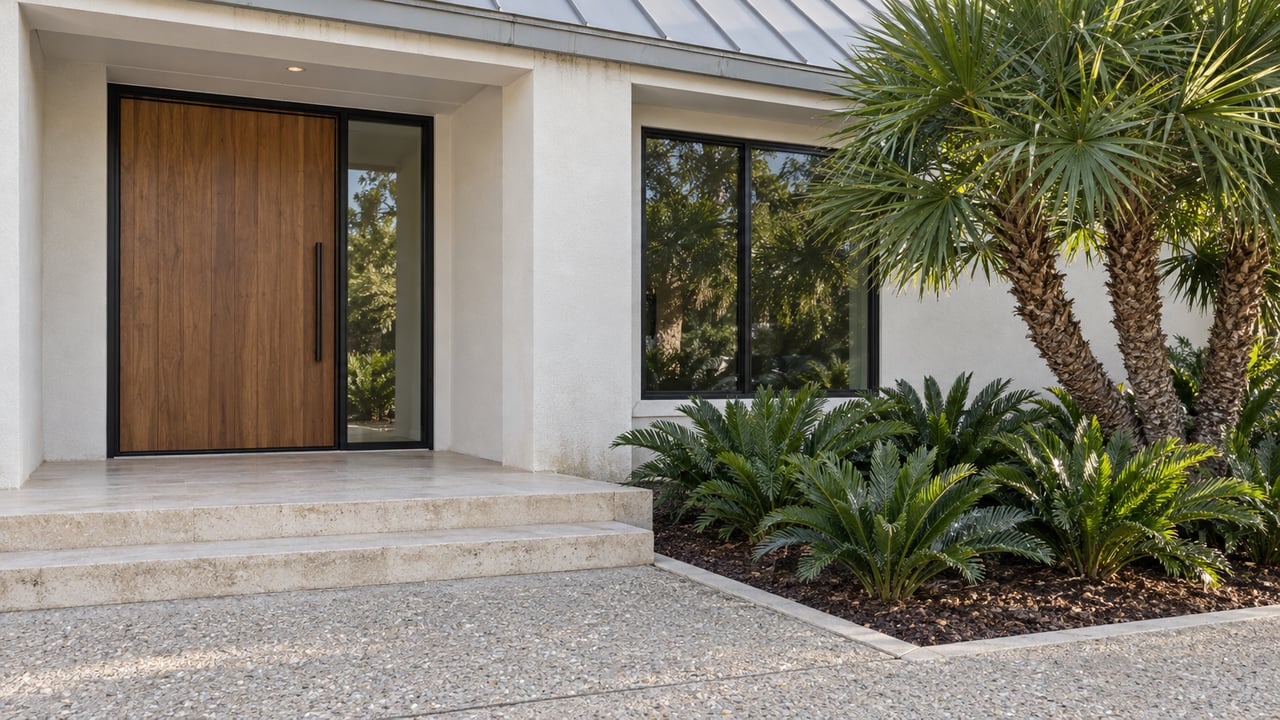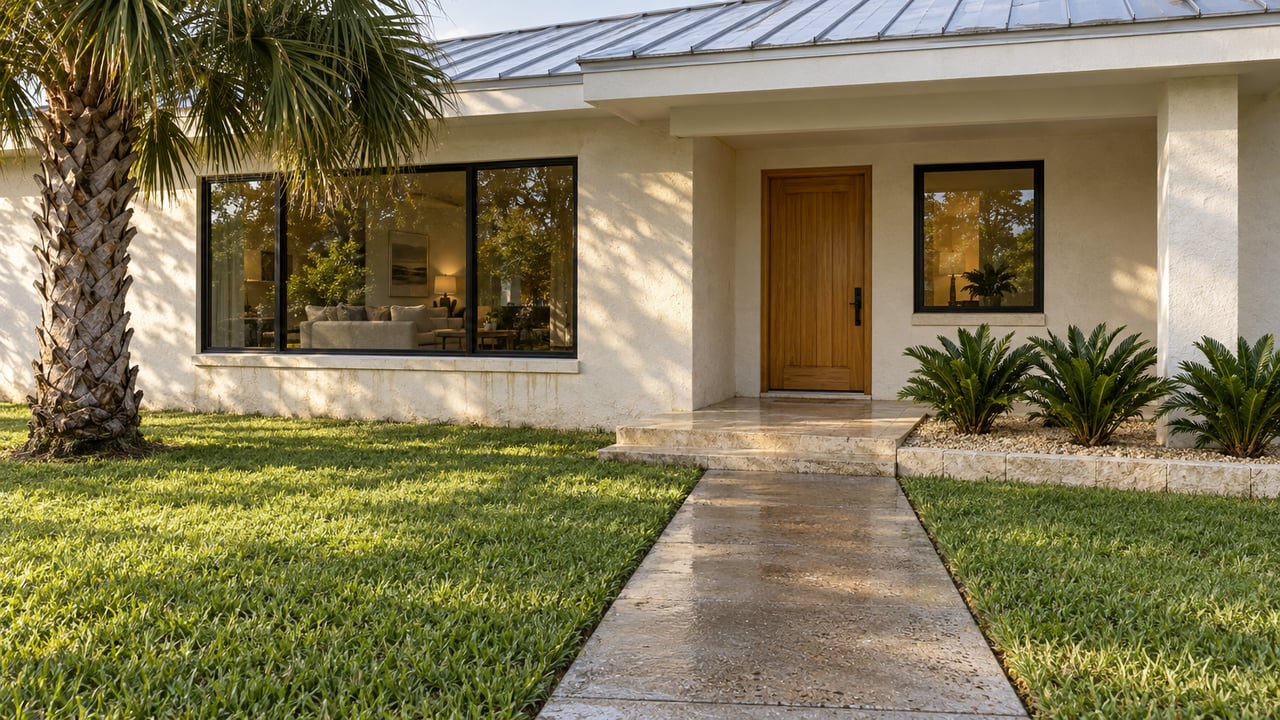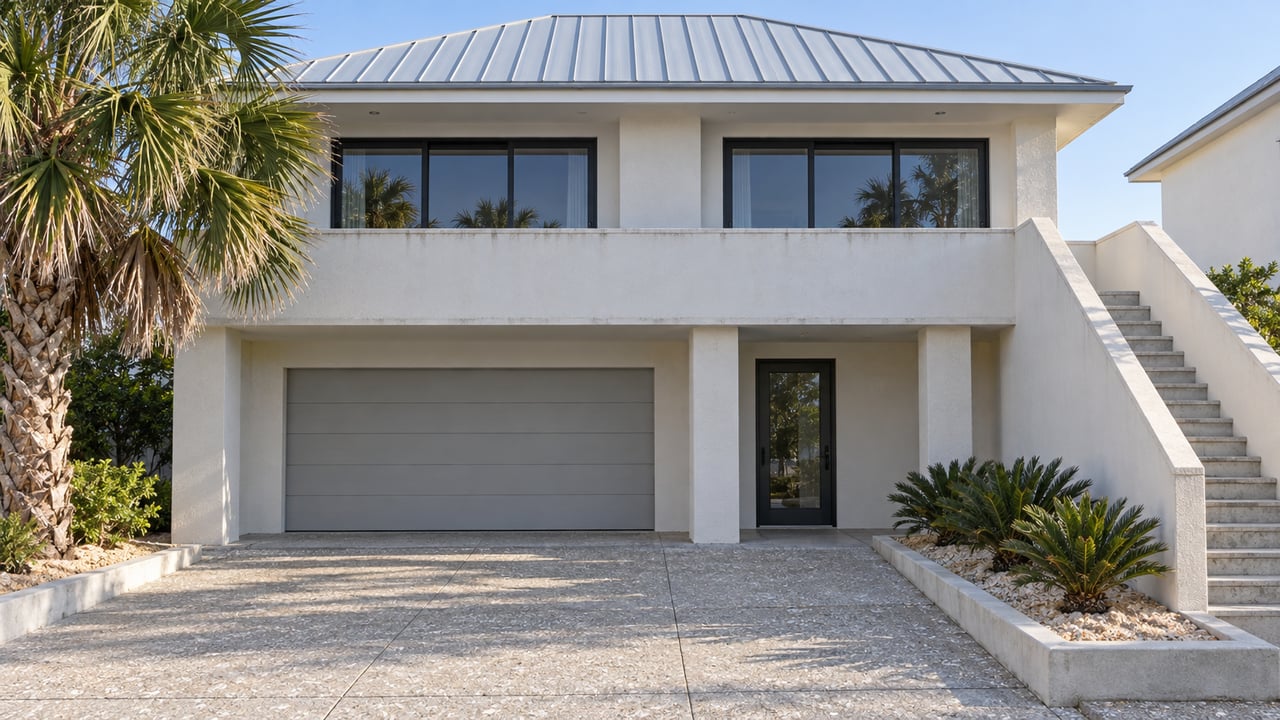
If you have been trying to make sense of Lakewood Ranch, you have probably realized one thing fast: it is not just one neighborhood with one look and one price point. It is a large master-planned community made up of many distinct villages, each with its own home styles, amenities, fees, and overall feel. If you are comparing options from afar or trying to narrow your search, this guide will help you understand how Lakewood Ranch is organized, what different home types usually mean, and how to think about the villages in a practical way. Let’s dive in.
Why Lakewood Ranch Feels So Different
Lakewood Ranch is a 35,000-plus-acre master-planned community in Manatee and Sarasota counties. Villages south of University Parkway are generally in Sarasota County, while those north of it are generally in Manatee County. It is home to more than 74,000 residents, 30-plus villages, 300-plus shops and restaurants, three major town centers, 60-plus clubs, 600-plus events each year, and more than 150 miles of trails.
That scale matters because Lakewood Ranch is better understood as a collection of villages rather than a single neighborhood. One village may focus on low-maintenance living, while another centers on golf, luxury waterfront homes, or age-restricted amenities. As a buyer, that means you need to compare more than just price or square footage.
Start With the Village Structure
The easiest way to understand Lakewood Ranch is to think in layers. First, you choose the broader community and lifestyle. Then, you narrow your search to a village that matches the kind of home, maintenance level, and amenities you want.
Every village has its own HOA, but the fees and what they cover can vary quite a bit. According to the official Lakewood Ranch FAQ, monthly HOA fees generally range from about $100 to $800, with most falling between $200 and $300. Some villages include more maintenance, while golf and amenity-rich communities often run higher.
There is also a Stewardship District fee in Lakewood Ranch. This supports larger community infrastructure such as parks, trails, lakes and stormwater systems, conservation areas, and road enhancements. In simple terms, some costs apply to your village, while others support the wider community.
Main Village Types Buyers See
Low-Maintenance Villages
If you want newer construction and easier upkeep, low-maintenance villages are often the first place to look. These communities usually appeal to buyers who want a simpler lock-and-leave setup, smaller exterior responsibilities, or a more streamlined monthly routine.
Amber Creek is a small townhome village with 84 homes and HOA fees of about $189 per month, with maintenance included. Bungalow Walk at Waterside offers single-family homes from about 1,696 to 2,557 square feet, with first-floor primary suites, rear garages, and HOA fees of $190. Solera is another single-family option, with HOA fees around $269 to $274 and maintenance included.
Emerald Landing at Waterside expands the menu even more. It includes townhomes, three-story city homes, and single-family homes, also with maintenance included. For many buyers, villages like these are a practical way to enjoy the community without taking on the upkeep of a larger custom property.
Active-Adult Villages
Lakewood Ranch also has villages specifically for homeowners age 55 and better. These communities are designed around that stage of life and often place a bigger emphasis on social programming, recreation, and convenience.
Cresswind is a gated 55+ village with single-family homes and a full-time lifestyle director. Amenities include a clubhouse, fitness spaces, a resort-style pool, tennis, pickleball, bocce, a dog park, and an event lawn. Del Webb Catalina is also age-restricted and offers attached villas and single-family homes, along with a 15-acre amenity campus, clubhouse, wellness center and spa, café, restaurant, resort pool, golf simulator, walking trails, and 12 pickleball courts.
If you are comparing these villages, it helps to look beyond the age restriction itself. Pay attention to the home type, the included amenities, and the kind of social calendar you want built into everyday life.
Golf and Club-Centric Villages
Some buyers come to Lakewood Ranch because they want the club experience to be part of daily living. In those villages, the housing and amenities are more closely tied together.
Calusa Country Club is a clear example. It combines condos and single-family homes with bundled golf membership, plus two golf courses, a clubhouse with dining, a resort-style pool, and tennis and pickleball facilities. Monterey at Lakewood Ranch is another gated, maintenance-free village with single-family homes, a clubhouse, resort pool, fitness center, and tennis and pickleball courts.
These communities can feel very different from a more basic low-maintenance village. The monthly fees are often higher, but that usually reflects a larger amenity package and a more club-oriented lifestyle.
Luxury and Custom Villages
At the upper end of the market, Lakewood Ranch includes villages with custom homes, larger homesites, and more distinct architectural identity. These neighborhoods often appeal to buyers who want more space, a stronger design statement, or a waterfront or estate-style setting.
Shellstone at Waterside includes attached villas, single-family homes, and custom homes, plus a lifestyle director, trails, a clubhouse and pool, pickleball and tennis, and access to recreation space at Midway Sports Complex. Wild Blue at Waterside is a waterfront luxury village with maintenance included, a lifestyle director, clubhouse, bar, courts, trails, and homes ranging from the high $900s to more than $4 million.
Waterbury Park focuses on larger lakeside homes and uses British West Indies and Farmhouse architecture. The Isles is a luxury Toll Brothers village, while Monarch Acres is a gated enclave with just eight custom homes priced from $3 million and up. If your search includes higher-end property, these villages show just how broad the Lakewood Ranch product mix really is.
Larger-Scale and Multigenerational Villages
Lakewood Ranch is not only geared toward downsizers or second-home buyers. Some villages are designed to serve buyers who want more space, a broader mix of housing, and amenities that can work for many stages of life.
Star Farms is one of the best examples. It is a 1,300-acre gated community with townhomes, attached villas, and single-family homes priced from the $300s to the $3 millions and up. It also includes multigenerational amenities and an onsite lifestyle director.
For buyers who want flexibility, this kind of village can be especially useful. You may find home options that work for a range of household needs, whether you want extra bedrooms, a multigenerational layout, or simply room to grow.
Home Styles Explained
Condos
In Lakewood Ranch, condos often show up in amenity-rich or golf-oriented villages. They can be a strong fit if you want a smaller footprint, less exterior maintenance, and access to a larger set of shared features.
Calusa Country Club is a good example, with condo offerings starting in the high $200s and ranging around 1,120 to 1,569 square feet. If you are comparing condos to other home types, focus on layout, building style, maintenance coverage, and whether the village’s amenities justify the monthly cost for your lifestyle.
Townhomes
Townhomes are often one of the more approachable ways to buy into Lakewood Ranch. You will commonly find them in villages that emphasize maintenance-included living and a simpler ownership experience.
Amber Creek and Emerald Landing are two examples. If you want newer construction, manageable space, and lower exterior upkeep, townhomes can be a smart starting point.
Attached Villas
Attached or paired villas sit between a condo and a single-family home in many buyers’ minds. They often appeal to people who want one-level or easier-flow living, but still want the feel of a private residence rather than a condo building.
You will often see attached villas in 55+ and low-maintenance settings such as Del Webb Catalina, Shellstone, and Star Farms. As always, the details vary by village, so it helps to compare what is truly included in maintenance and amenities.
Single-Family Homes
Single-family homes span the widest range in Lakewood Ranch. This category includes compact bungalow-style plans, larger move-up homes, multigenerational layouts, and upscale luxury properties.
Bungalow Walk offers two- to four-bedroom homes with about 2.5 to 3 baths, plus a first-floor primary suite and laundry. On the other end, villages like Monterey, The Isles, Wild Blue, and Waterbury Park trend larger and more upscale. If you know you want a single-family home, the next question is really what level of size, maintenance, and amenities fits you best.
Custom Homes
Custom homes are where Lakewood Ranch becomes more tailored and less standardized. These homes are more likely to appear in luxury-focused villages and smaller enclaves where architecture, lot size, and personalization matter more.
Monarch Acres is a strong example, with just eight custom homes. In villages like these, buyers are often looking for privacy, design individuality, and a more exclusive setting.
Architecture Is Not One-Size-Fits-All
One of the most common misconceptions about Lakewood Ranch is that everything looks the same. In reality, architecture varies meaningfully from one village to another.
Waterbury Park uses British West Indies and Farmhouse styles. Windward features British West Indies with colonial Dutch influences. Bungalow Walk leans into bungalow-style living, while Wild Blue highlights a relaxed coastal waterfront feel.
That variety is part of the appeal. Instead of one repeated visual identity, Lakewood Ranch feels more like a portfolio of neighborhoods with different design personalities.
What HOA Fees Usually Signal
HOA fees in Lakewood Ranch are not just a number to compare side by side. They often give you clues about what kind of village you are looking at.
Here is a quick snapshot of the range reported by Lakewood Ranch:
- Amber Creek: about $189 per month
- Bungalow Walk: about $190 per month
- Solera: about $269 to $274 per month
- Del Webb Catalina: about $335 to $409 per month
- Monterey: about $335 to $355 per month
- Shellstone: about $396 to $475 per month
- Calusa Country Club: about $685 to $860 per month
- Wild Blue: about $800 to $900 per month
Lower fees often line up with a simpler amenity package or smaller-maintenance setup. Higher fees often reflect more amenities, club features, maintenance coverage, or luxury positioning. The key is not to ask whether the fee is high or low, but whether it matches how you plan to live.
New Construction or Resale?
Lakewood Ranch offers both. Because the community is still heavily builder-focused, buyers can find to-be-built homes, model homes, and move-in-ready inventory across active villages.
At the same time, the community has been developing since 1994 and now includes 30-plus villages, which also creates a meaningful resale market. The March 2026 market snapshot showed 277 homes sold with a median sale price of $625,000. That mix gives you more flexibility than a brand-new community with only fresh inventory.
How Lakewood Ranch Compares Nearby
If you are deciding between Lakewood Ranch and other nearby markets, it helps to understand the broader context. In March 2026, Sarasota had a median sale price of $685,000, while Bradenton came in at $300,000. Lakewood Ranch sat between them at a median sale price of $625,000.
Beyond price, the lifestyle feel is different too. Lakewood Ranch tends to feel more planned, newer, and more amenity-focused than Sarasota’s coastal and arts-centered environment or Bradenton’s more riverfront urban character. For many buyers, that makes it a useful middle ground if you want newer homes, a village-based structure, and a broad range of housing options.
How to Narrow Your Search
If you are feeling overwhelmed by the choices, start with these questions:
- Do you want condos, townhomes, villas, single-family, or custom?
- How much exterior maintenance do you want to handle?
- Are amenities like golf, pickleball, trails, or dining a priority?
- Do you want a 55+ setting or an all-ages village?
- Are you focused on newer construction, resale, or both?
- What monthly fee range feels comfortable for you?
- Do you prefer a compact home, room to grow, or a luxury property?
Once you answer those questions, the village list gets much easier to sort through. The goal is not to tour all of Lakewood Ranch. It is to focus on the few villages that truly fit how you want to live.
If you are comparing Lakewood Ranch villages and want help narrowing down the right fit, working with a local advisor can save time and reduce guesswork. Kelli Eggen can help you evaluate home styles, fees, resale potential, and lifestyle tradeoffs so you can move forward with clarity.
FAQs
What is Lakewood Ranch in Florida?
- Lakewood Ranch is a 35,000-plus-acre master-planned community in Manatee and Sarasota counties with more than 30 villages, 74,000-plus residents, three town centers, and a wide range of home types and amenities.
Are all Lakewood Ranch neighborhoods the same?
- No. Lakewood Ranch is made up of distinct villages, and each one can differ in home styles, amenities, HOA fees, maintenance coverage, and overall lifestyle focus.
What home styles are available in Lakewood Ranch?
- Buyers can find condos, townhomes, attached villas, single-family homes, and custom homes, depending on the village.
Are there 55+ neighborhoods in Lakewood Ranch?
- Yes. Lakewood Ranch identifies Cresswind and Del Webb Catalina as actively selling villages exclusively for homeowners age 55 and better.
Do Lakewood Ranch HOA fees vary by neighborhood?
- Yes. HOA fees vary by village and home type, with official guidance showing a general monthly range from about $100 to $800, and many villages falling between $200 and $300.
Is Lakewood Ranch only for new construction buyers?
- No. Buyers can find to-be-built homes, model homes, move-in-ready properties, and resale homes because the community includes both newer and more established villages.
Is Lakewood Ranch in Pasco County?
- No. Based on the official community information, Lakewood Ranch is in Manatee and Sarasota counties, not Pasco County.