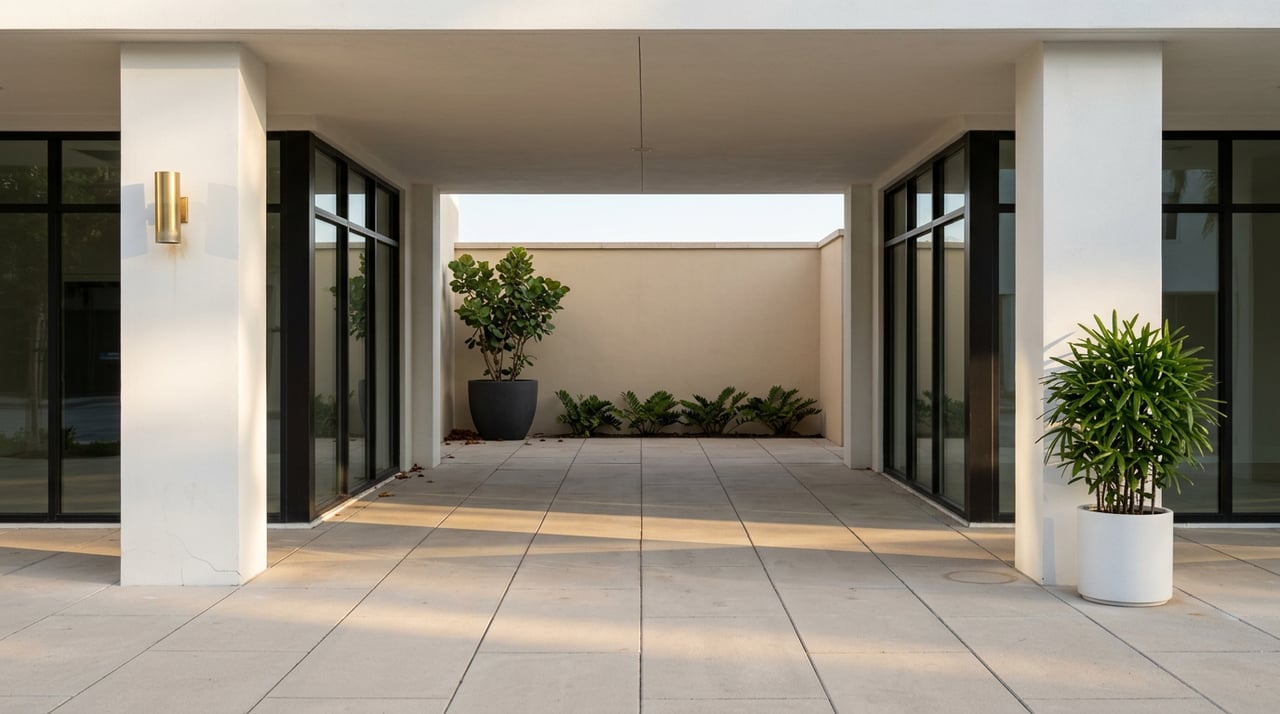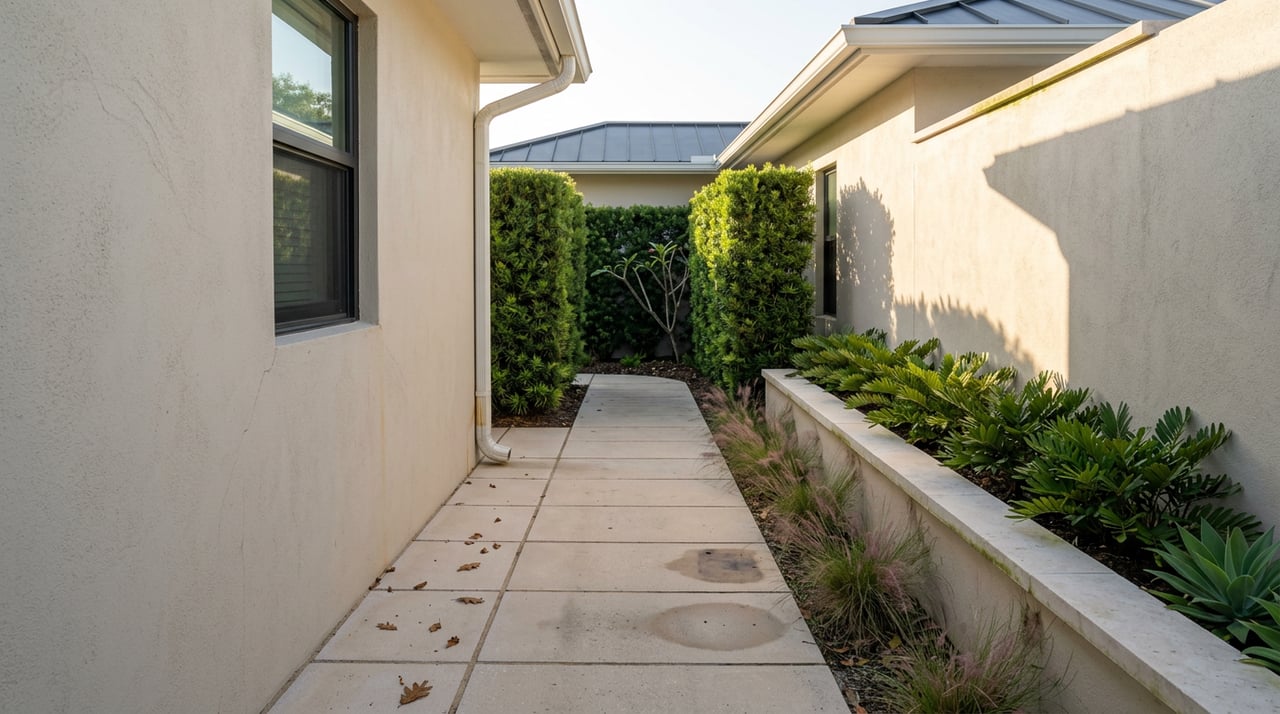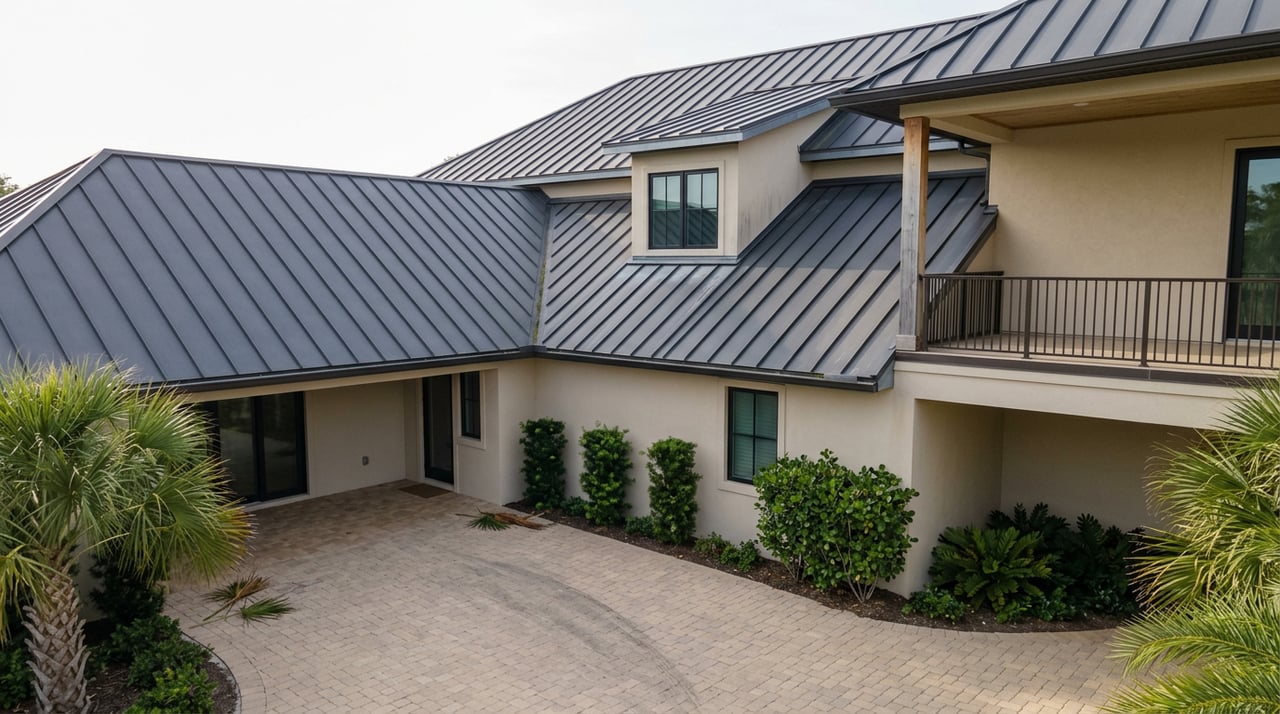
A buyer touring Venice this summer can spend a Saturday morning walking a 1970s bungalow near the historic downtown and a Saturday afternoon walking a new build in Sunstone at Wellen Park, both priced within a few thousand dollars of each other. The listing agents will tell you the Wellen Park home is the better deal. It usually isn't, and the reason has nothing to do with square footage or finishes. It's in a line of the closing disclosure most buyers don't read until it's too late to negotiate.
Venice Island homes and Wellen Park homes are being compared on the wrong number. The sticker price tells you what you'll borrow. It doesn't tell you what you'll carry every month for the next decade, and the two markets carry very differently.
What the Sticker Price Actually Covers
As of the three months ending June 2026, the median sale price for a Venice home sat at $409,000, essentially flat year over year, with homes taking about 66 days to sell. That figure covers a mix of older single-family stock on and around Venice Island, much of it built before modern flood-zone mapping and CDD financing existed.
Wellen Park tells a different story depending on which neighborhood you're pricing. Sunstone, built by Mattamy Homes, runs from the mid $300,000s into the low $600,000s. Renaissance villas start in the high $300,000s. Gran Paradiso resales trade between $400,000 and $800,000. Everly, the custom-home enclave around Wellen Park's 50-acre lake, starts near $739,000 and climbs past $1.1 million with builders like Lee Wetherington and John Cannon. A single master-planned community spans nearly the entire price range of Venice Island itself.
That spread is the first clue that "Wellen Park" isn't one market. It's a dozen small ones stacked under a single marketing name, and the entry-level numbers are the ones that get quoted in conversation.
The Line Items That Don't Show Up in the Listing
Here's where the comparison actually happens, and it's not on the price line.
| Cost category | Venice Island (established homes) | Wellen Park (most communities) |
|---|---|---|
| CDD assessment | None | $1,200 to $2,950 per year, billed through the property tax bill |
| HOA dues | Varies by community, often modest or none outside condos | $150 to $800+ per month depending on amenity package |
| Flood insurance | Often required, softened by a Class 5 CRS discount | Often not required; most villages sit in FEMA X-zones |
| Age-related maintenance | Older roofs, plumbing, and electrical are common negotiation points | Builder warranties cover most systems for the first several years |
Stack the Wellen Park HOA and CDD lines together and the combined carrying cost beyond the mortgage payment can run $800 to $1,200 a month or more, depending on the community and its amenity package. On a $500,000 Wellen Park purchase, buyers should also expect all-in annual carrying costs, taxes, insurance, HOA, and CDD combined, to land 20 to 30 percent above the mortgage payment alone. That's not a rounding error. On a 30-year loan, it changes the real monthly number by several hundred dollars in either direction depending on which market you're comparing against.
Why Wellen Park's Fees Are Heaviest Right Now
This is the part that actually matters if you're deciding between the two markets, and it's the part sales centers won't walk you through.
Wellen Park's infrastructure, its roads, water and sewer lines, stormwater systems, and street lighting, is funded through the West Villages Improvement District, a special taxing district established in 2004 that covers roughly 11,000 acres. Every community inside that district pays a CDD assessment tied to its own infrastructure debt, and that debt behaves like any bond: the payments are highest in the early years and decline as the district pays down principal.
A CDD fee is a bond payment before it's anything else. Ask when the bonds were issued, not just what the fee is today.
That's the mechanism buyers miss. Wellen Park is one of the newest large master plans on the Gulf Coast, which means most of its CDD bonds are still early in their repayment schedules rather than partially paid down the way an older, established district's would be. A CDD fee quoted today at $2,400 a year isn't a fixed cost for the life of the loan. It's a snapshot of an early-stage repayment schedule that a longtime resident of an established Sarasota-area community wouldn't recognize, because their district's bonds are further along. Buy into Wellen Park now, and you're paying the district's construction-era rate. Ten or fifteen years from now, as the same bonds retire, that fee should shrink, assuming the district doesn't issue new debt for a later phase.
Compare that to flood insurance on Venice Island. That cost isn't tied to a repayment schedule. It's tied to elevation, construction age, and distance from the water, none of which change on their own. Venice's Class 5 rating in the Community Rating System gives residents roughly a 25 percent discount on flood premiums, one of the better ratings in southwest Florida, but the underlying exposure doesn't decline the way a CDD bond does. It's a cost that holds steady rather than one that's front-loaded and fading.
So the real comparison isn't which market costs more today. It's which cost curve you'd rather own: a fee that's expensive now and gets cheaper, or a fee that's moderate now and stays that way.
What Ten Minutes at the Sales Center Doesn't Tell You
A few specifics worth having in hand before you write an offer in either direction:
- CDD fees vary by community even within Wellen Park. Oasis runs near $1,200 a year. Lakespur runs closer to $2,950. Ask for the exact figure by phase and lot type, not the community-wide range from the brochure.
- HOA dues aren't standardized either. Renaissance, developed by Mattamy Homes with over 700 home sites, bundles resort amenities into HOA dues in the $300 to $600 range, considered one of the better values in the community. Brightmore, the 55-plus neighborhood, layers a CDD of roughly $1,700 to $2,400 a year on top of its own HOA.
- Flood zone reclassification happens. Renaissance was reclassified into a higher-risk AE flood zone following March 2024 FEMA map updates, a reminder that even a Wellen Park address doesn't guarantee X-zone status for every lot.
- Ask for the HOA's reserve study, not just the fee. Two communities can quote similar dues with very different reserve funding behind them, and that gap becomes your special assessment risk down the line.
- Downtown Wellen has been expanding through 2026. A second phase of the town center adds roughly 44,000 to 50,000 square feet of new restaurants, wellness services, and retail, alongside a planned Marriott Tribute Portfolio hotel with a rooftop bar. Buyers weighing amenity value today are pricing in a downtown that has been actively under construction for much of this year.
None of this makes one market the better buy in absolute terms. It makes the comparison specific to the buyer. A retiree planning to stay ten years benefits from Wellen Park's declining fee curve and low flood exposure. A buyer who wants walkable, established, and unlikely to change character is often better served on Venice Island, where the insurance cost is knowable today rather than improving on a schedule.
The Question Worth Asking Before You Compare Two Listings
Don't ask which home costs less. Ask which cost curve you're buying into, and whether your time horizon lines up with it. A CDD fee that feels heavy in year one but is scheduled to lighten by year fifteen is a different financial commitment than a flood premium that holds flat for as long as you own the house. Both are real costs. Only one of them is designed to go down.
If you're weighing a resale near downtown Venice against new construction in one of Wellen Park's communities, the honest answer depends on how long you plan to stay and how much certainty you want in your monthly number versus how much you're willing to bet on a fee schedule improving on time. That's not a comparison a listing sheet can make for you.
Common Questions
Do all Wellen Park communities carry a CDD fee? Nearly all of them do, since the West Villages Improvement District funds infrastructure across the majority of the master plan. The amount varies by community and lot type, so always request the figure for the specific parcel rather than relying on a community-wide estimate.
Will CDD fees in Wellen Park actually go down over time? The debt portion should decline as bonds are retired, following a schedule set when the district issued them. The operations and maintenance portion of the fee can still rise with inflation, so a falling debt payment doesn't guarantee a falling total bill.
Is flood insurance required on Venice Island? It depends on the specific flood zone designation for that address and whether the property carries a mortgage, since most lenders require it in higher-risk zones. Venice's CRS Class 5 rating lowers the premium but doesn't eliminate the requirement where it applies.
Is HOA and CDD financial history something I can actually review before making an offer? Yes. Requesting the HOA's budget, reserve study, and the CDD's current debt schedule is a normal part of due diligence in both markets, and it's worth doing before you get emotionally attached to a floor plan.
Comparing Venice Island and Wellen Park on price alone tells you almost nothing about what you'll actually pay to live there. If you want the full carrying-cost picture worked out for a specific address in either market, Kelli Eggen can walk through the numbers with you before you write an offer. Let's Connect.